The Practical Van Life Guide: South Island Freedom Camps & Passes
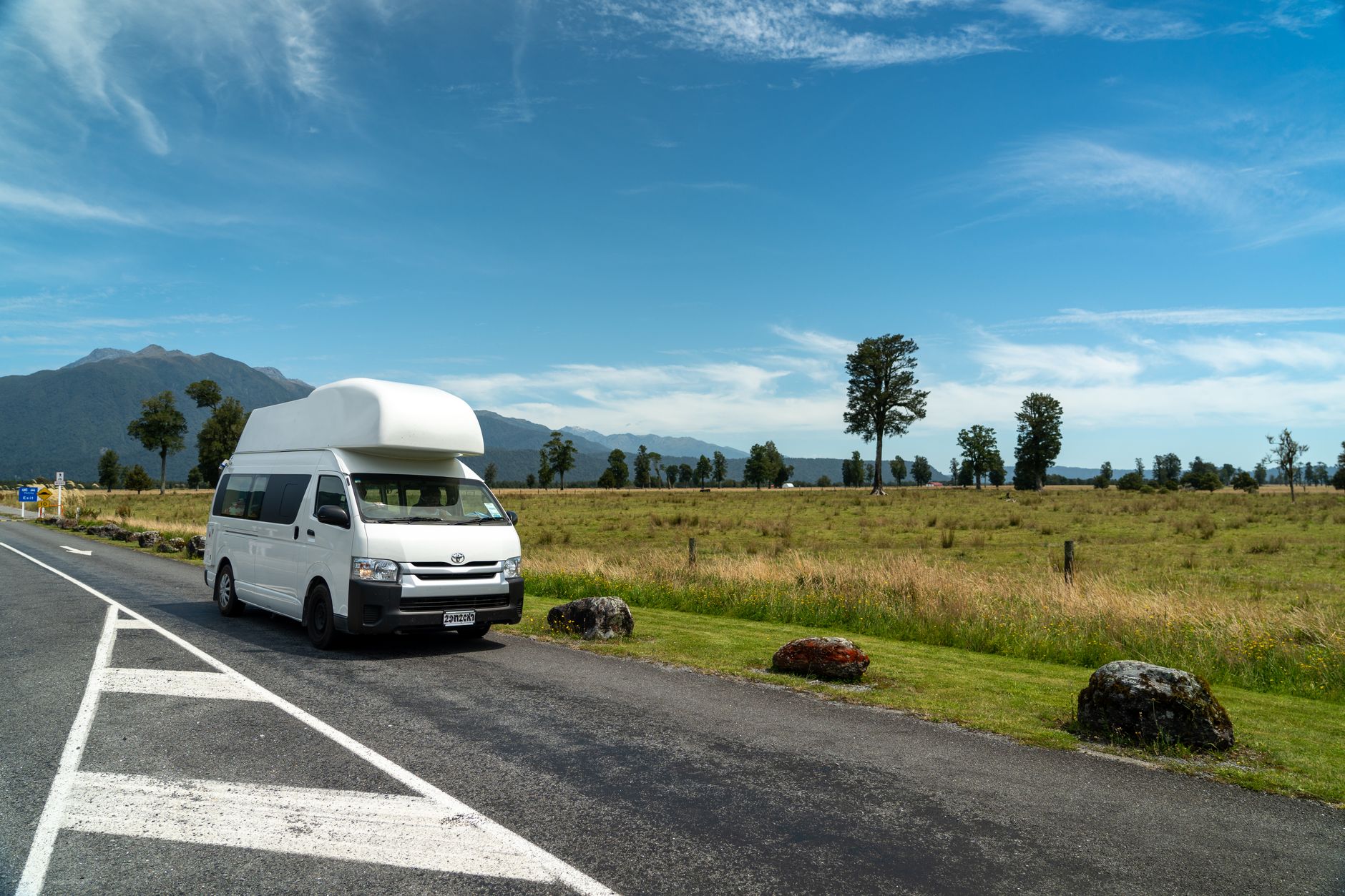
Traveling New Zealand in a campervan represents the quintessential road trip dream. Yet, as tourist volume has grown, local regulations have tightened significantly to preserve fragile waterways and roadside habitats. Navigating these rules requires up-to-date practical intelligence.
1. Understanding the New Self-Containment Standards
In recent years, the New Zealand Parliament updated the Self-Contained Motor Vehicles Legislation Act. Under current enforcement, non-commercial freedom camping on public conservation land requires a certified green warrant self-containment certificate. Key requirements include:
- Permanently Plumbed Toilet: Portable cassette toilets that can be unbolted or stored freely in the trunk no longer meet the green standard for vehicle certification.
- Water Storage: Sufficient fresh and grey water tanks capable of supporting all occupants for a minimum of three full days.
- Fines for Non-Compliance: Infringement fees start at NZD $400 for vehicles parked in designated freedom sites without valid certification.
2. The Department of Conservation (DOC) Campsite Pass
For independent road travelers, the DOC 30-Day Campsite Pass offers extraordinary value. It grants access to hundreds of scenic conservation campgrounds across the North and South Islands. These sites range from basic grass clearings with long-drop toilets to serviced sites with hot water showers and kitchen shelters.
Some of our favorite South Island DOC camping locations include:
- White Horse Hill (Aoraki / Mount Cook): Park directly at the trailhead of the Hooker Valley and Sealy Tarns tracks beneath alpine glaciers.
- Cascade Creek (Eglinton Valley): A sprawling beech-forest campsite ideal for an early-morning run into Milford Sound before traffic arrives.
- Purakaunui Bay (The Catlins): Oceanfront grassy terraces beneath high coastal cliffs with sea lions frequently hauled out on the sand.
3. Power Management and Waste Disposal Etiquette
New Zealand nights can drop close to freezing even during mid-summer in alpine basins. If your camper relies on leisure batteries, monitor your wattage consumption carefully when using inverter heaters. Always dump black and grey water at certified public dump stations (found via local council signage or the CamperMate / Rankers apps).
"Leave no trace is not a slogan in Aotearoa; it is a shared civil contract. Pack out every scrap of rubbish and protect the clear water of our rivers."
Have Questions on Vehicle Rentals or Route Timing?
Let our expedition specialists verify your van route before you book.
Contact Us For Itinerary Review