Aoraki Mackenzie Dark Sky: How to Experience World-Class Astrophotography
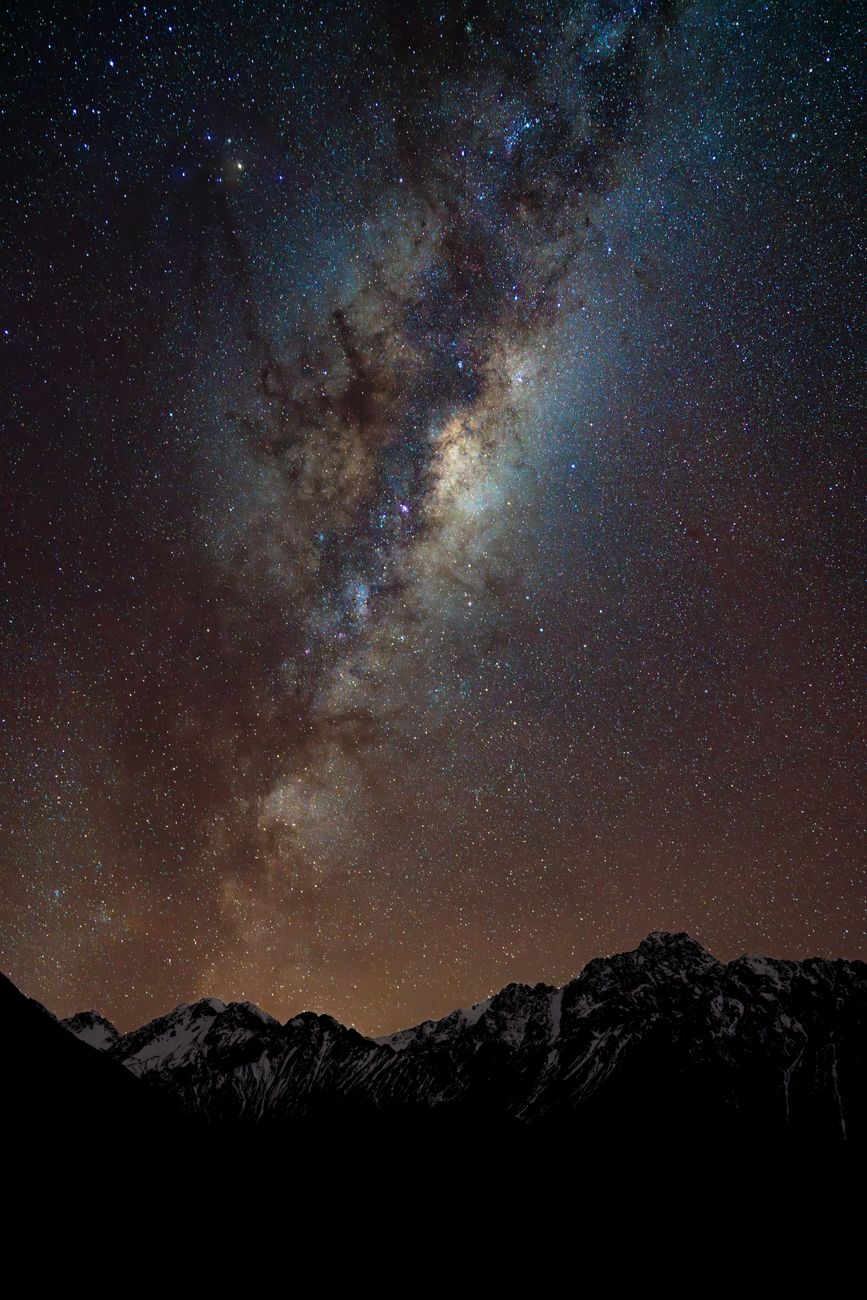
Spanning over 4,300 square kilometers across the central South Island, the Aoraki Mackenzie International Dark Sky Reserve is recognized as one of the finest celestial viewing corridors on Earth. Shielded by the Southern Alps from coastal cloud cover and strictly protected from light pollution, it reveals the Milky Way in breath-taking dimensional depth.
1. Timing with the Lunar Calendar
The single most frequent mistake made by visiting stargazers is scheduling their trip around sunny daytime forecasts without consulting the lunar cycle. Even a 50% illuminated moon drowns out faint nebulae and the Magellanic Clouds.
For optimal astrophotography, schedule your stay within the window spanning 4 days before to 3 days after the New Moon. During this phase, the galactic core rises with fierce clarity, casting perceptible starlight shadows across the gravel riverbeds of the Tasman Valley.
2. Premier Observation Vantage Points
While the Church of the Good Shepherd in Lake Tekapo is world-famous, it is frequently crowded with photographers and headlights. For deeper silence, consider these secluded locations:
- Tasman Glacier Viewpoint: A 20-minute hike from the Blue Lakes shelter brings you to the moraine wall overlooking the iceberg-studded terminal lake. The reflection of stars on still glacial water is unmatched.
- Lake Pukaki Shoreline (Peter's Lookout): The turquoise waters of Pukaki contrast dramatically against the silhouette of Mount Cook under the arc of the southern sky.
- Clay Cliffs (Omarama): Dramatic silt and gravel pinnacles located just south of the reserve boundary offer extraordinary surreal foregrounds for star trails.
3. Camera Setup & Cold Weather Preparation
Even in January, temperatures in the Mackenzie Basin can plummet towards zero Celsius once the sun drops behind the Main Divide. Keep these technical considerations in mind:
- Lens Choice: Use a fast wide-angle prime lens (14mm to 24mm) with an aperture of f/1.8 or f/2.8 to collect maximum light without optical coma at the edges.
- Dew Heaters & Batteries: Alpine humidity can coat your front glass element in frost within 45 minutes. Carry a USB-powered lens heater strip and keep spare camera batteries in an interior fleece pocket next to your body.
- Red Light Discipline: Use only dim red headlamps to preserve your night vision and show consideration for other astronomers.
"Standing beneath the Southern Cross in Mackenzie is an humbling reminder of how vast and quiet the cosmos remains when artificial glare is removed."
Have an Expedition Query?
Reach out to our team for custom advice on dark sky viewpoints and seasonal weather trends.
Send Route Inquiry